America’s Growing Power Demand: What It Means for Construction and Energy Infrastructure
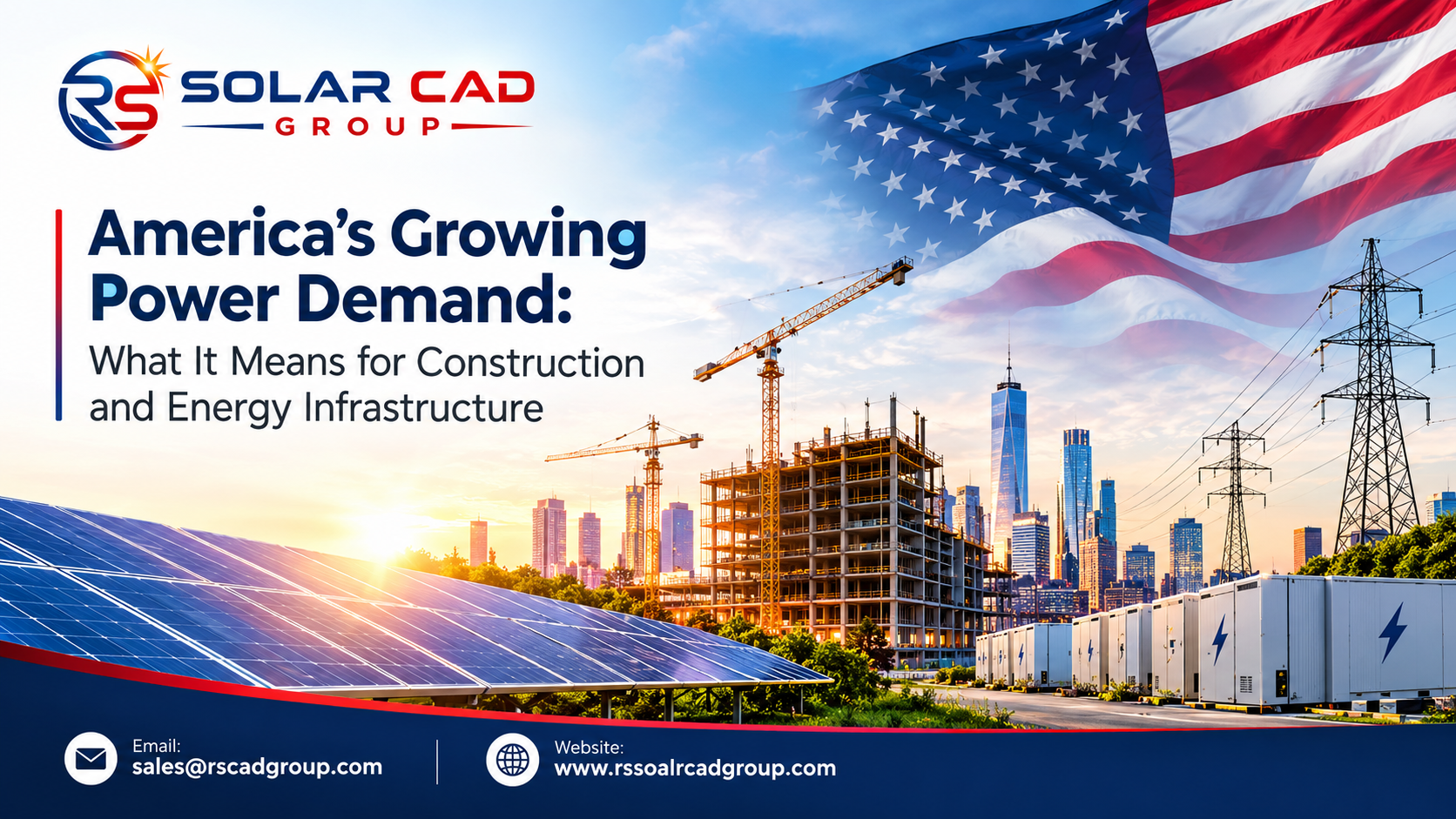
The United States is entering a new phase of electricity demand growth. From expanding data centers and artificial intelligence (AI) infrastructure to electric vehicle charging, advanced manufacturing, and modern commercial buildings, the country’s need for reliable electricity is increasing. This shift is creating new opportunities and challenges for the construction, energy, and renewable power industries.
According to the U.S. Energy Information Administration (EIA), electricity consumption is expected to reach new record levels as data center development and manufacturing activity continue to expand. Its September 2026 outlook projected U.S. electricity sales of approximately 4,135 billion kilowatt-hours in 2026 and 4,211 billion kilowatt-hours in 2027. These projections highlight the growing importance of electricity generation, transmission, distribution, and infrastructure development.
For construction companies, electrical contractors, solar developers, and engineering firms, this trend represents more than an increase in energy consumption. It means more infrastructure projects, greater demand for technical expertise, and a growing need for efficient project planning.
As the United States works to expand its energy capacity, construction and engineering teams must find ways to deliver projects efficiently while maintaining quality, safety, and regulatory compliance.
In this blog, we explore the major factors driving America’s growing power demand, its impact on construction and energy infrastructure, and how solar design and engineering support can help businesses prepare for the opportunities ahead.
1. What Is Driving America’s Growing Power Demand?
Several industries are contributing to the increasing demand for electricity across the United States. Understanding these factors helps construction professionals identify where future infrastructure investments may be needed.
Expansion of Data Centers and Artificial Intelligence
Data centers have become an important part of the modern digital economy. They support cloud computing, online services, business applications, artificial intelligence, and large-scale data processing.
As companies invest in AI technologies, they require more computing capacity. These systems depend on servers, cooling equipment, networking infrastructure, and continuous electricity supplies.
The U.S. Department of Energy has highlighted data center expansion as a significant driver of electricity demand growth. Its research also emphasizes the importance of expanding power generation, improving grid infrastructure, and developing clean energy solutions to support these facilities.
For construction companies, data center expansion creates demand for specialized facilities, electrical systems, substations, backup power installations, and associated infrastructure.
These projects require close coordination among civil engineers, electrical contractors, construction teams, utilities, and energy developers.
Growth in Electric Vehicles and Charging Infrastructure
The transition toward electric transportation is another factor influencing electricity demand. As EV adoption grows, more charging infrastructure may be needed at residential properties, commercial buildings, workplaces, parking facilities, and highway locations.
Installing EV charging systems is not simply a matter of adding charging equipment. Projects may also require electrical load assessments, panel upgrades, transformer capacity reviews, utility coordination, and infrastructure improvements.
Commercial properties and fleet operators must evaluate whether their existing electrical systems can support additional charging loads.
Consequently, EV infrastructure development is creating opportunities for electrical contractors, construction companies, and engineering professionals involved in electrical planning and installation.
Expansion of Domestic Manufacturing
Manufacturing facilities often require substantial and consistent electricity supplies. New industrial plants, automated production lines, advanced manufacturing operations, and expanded warehouses can increase electricity requirements in the regions where they operate.
These developments can require new buildings, electrical distribution systems, substations, transmission connections, and backup power infrastructure.
Construction teams must consider not only the physical requirements of a facility but also its expected electrical load and potential future expansion.
Planning electrical infrastructure early can help reduce costly modifications later in a project’s lifecycle.
Increasing Electrification in Buildings
Residential and commercial buildings are also becoming more dependent on electricity. Electric heating and cooling systems, heat pumps, lighting, appliances, and building automation technologies can change how buildings consume energy.
As these systems become more widespread, developers and contractors need to consider electrical capacity during the design and construction stages.
The result is a growing need to coordinate building design, electrical engineering, energy efficiency, and infrastructure planning from the beginning of a project.
2. How Rising Power Demand Is Changing the Construction Industry
Growing electricity demand affects the construction industry in several ways. New power generation facilities are only one part of the solution. Supporting infrastructure must also be developed, upgraded, and maintained.
More Power Generation Projects
To meet increasing demand, the United States needs adequate electricity generation capacity. Depending on regional requirements, this may include solar farms, wind projects, natural gas facilities, nuclear power, battery storage, and other energy resources.
Each project involves multiple stages, including feasibility studies, site evaluation, engineering design, permitting, procurement, construction, and commissioning.
Solar and other renewable energy projects are particularly relevant to construction companies because they require coordinated planning across civil, electrical, structural, and energy engineering disciplines.
As developers pursue more projects, efficient design workflows can help teams manage documentation and coordinate technical requirements.
Expansion of Transmission and Distribution Networks
Electricity must be transported from generating facilities to the homes, businesses, and industries that use it.
However, increasing electricity demand can place additional pressure on existing transmission lines, substations, transformers, and local distribution networks.
In some areas, serving new large electricity users may require infrastructure upgrades or new grid connections. These improvements can involve extensive engineering assessments, utility approvals, land considerations, and construction work.
The U.S. Department of Energy identifies transmission expansion and grid modernization as important considerations in meeting changing electricity demand.
For construction and engineering firms, these developments highlight the importance of accurate technical documentation, coordinated project schedules, and effective communication among stakeholders.
Greater Demand for Electrical and Engineering Expertise
As energy infrastructure becomes more complex, projects may require specialized expertise in electrical design, power distribution, renewable energy systems, and technical documentation.
Construction companies must coordinate with qualified professionals to ensure that systems are designed according to applicable codes, project specifications, and utility requirements.
At the same time, growing project volumes can put pressure on internal engineering teams.
Businesses that establish efficient workflows and plan their technical resources carefully will be better positioned to manage multiple projects without compromising documentation quality.
3. Why Energy Infrastructure Planning Matters More Than Ever
Meeting rising electricity demand requires more than constructing new power plants. Infrastructure must be designed to deliver electricity safely, reliably, and efficiently.
Poor coordination during the planning stage can lead to design revisions, approval delays, construction conflicts, and unexpected costs.
Accurate Design and Documentation
Technical drawings and engineering documents provide the foundation for construction activities. They communicate system layouts, equipment locations, electrical connections, and other essential project details.
Accurate documentation helps contractors understand the design intent and coordinate work across different teams.
For solar projects, this may include site layouts, module arrangements, equipment placement, electrical diagrams, and permit plan sets.
The specific documents required depend on project scope, jurisdiction, utility requirements, and the applicable approval process.
Permitting and Regulatory Coordination
Energy infrastructure projects must satisfy applicable building codes, electrical standards, zoning requirements, and permitting conditions.
For solar installations, approval requirements may vary by state, city, utility, and project type.
Incomplete drawings or inconsistencies between documents can result in correction requests and additional review cycles.
Preparing organized, project-specific documentation can help teams address these requirements more efficiently. Final designs and submissions should still be reviewed and approved by the appropriately qualified professionals and authorities.
Coordination Across Project Teams
Infrastructure projects typically involve multiple stakeholders, including developers, engineers, architects, electrical contractors, equipment suppliers, and permitting authorities.
When project information is inconsistent or outdated, different teams may work from conflicting assumptions.
A coordinated design process helps establish clear documentation, identify potential conflicts earlier, and improve communication throughout project delivery.
As electricity demand grows, this coordination becomes increasingly important for businesses managing several projects simultaneously.
4. Solar Energy’s Role in Meeting America’s Growing Electricity Needs
Solar energy is one of the technologies contributing to the expansion of U.S. electricity generation.
According to the EIA’s September 2026 outlook, utility-scale solar generation was projected to increase by 21% in 2026 and a further 18% in 2027. These are forecasts rather than guaranteed outcomes, but they illustrate the expected contribution of solar power to the changing energy mix.
Solar installations can support different types of energy needs, from individual commercial properties to large utility-scale projects.
Utility-Scale Solar Projects
Utility-scale solar farms generate electricity for the grid and can contribute additional generation capacity as demand grows.
Developing these projects requires careful site assessment, system design, equipment planning, electrical engineering, interconnection coordination, and construction documentation.
Design teams must account for site conditions, equipment specifications, electrical requirements, and applicable project standards.
Because utility-scale projects can involve large numbers of modules and complex electrical layouts, an organized design process is essential.
Commercial and Industrial Solar Installations
Commercial and industrial properties can also use solar energy to generate electricity on-site.
Warehouses, manufacturing facilities, office buildings, and other commercial properties may evaluate solar installations based on their electricity consumption, available roof or ground space, project economics, and electrical infrastructure.
These installations require designs that account for building conditions, equipment placement, electrical integration, and permitting requirements.
For businesses considering solar, accurate preliminary planning and coordinated technical documentation can support better decision-making throughout the project.
Battery Storage and Integrated Energy Systems
Battery energy storage can complement solar generation by storing electricity for later use, subject to system design and operating conditions.
Storage projects may help manage variations in solar production, support selected backup applications, and provide grid services when appropriately configured.
However, these benefits depend on factors such as battery capacity, system controls, utility rules, project economics, and the intended application.
Integrating solar and storage requires additional engineering coordination, including equipment selection, electrical design, protection systems, and applicable safety requirements.
As these projects become more complex, design accuracy and effective coordination remain important throughout development.
5. The Challenges Construction and Energy Companies Need to Address
Although growing electricity demand creates opportunities, it also introduces challenges for companies responsible for delivering new infrastructure.
Project Timelines and Approval Delays
Large energy projects can require extensive planning, engineering, utility coordination, equipment procurement, and regulatory review.
Delays in any one area may affect the overall construction schedule.
Developers and contractors can reduce avoidable documentation-related delays by identifying project requirements early, maintaining consistent drawings, and coordinating design revisions carefully.
Not every delay can be prevented, particularly when projects depend on utility capacity, equipment availability, or external approvals. Nevertheless, strong preparation helps teams manage the factors within their control.
Equipment and Material Availability
Energy infrastructure depends on electrical equipment, transformers, switchgear, cables, mounting systems, inverters, and other components.
Supply constraints or extended equipment lead times can affect project schedules and budgets.
Construction teams should coordinate design assumptions with equipment specifications and procurement plans. Changes in equipment selection may also require updates to drawings and engineering documents.
Early coordination between design, procurement, and construction teams can help reduce the risk of avoidable rework.
Skilled Workforce Constraints
The expansion of energy infrastructure increases the need for experienced construction workers, electricians, engineers, designers, and technical professionals.
Companies may find it difficult to scale their internal teams quickly enough to meet changing project requirements.
One approach is to establish flexible working arrangements that combine in-house expertise with qualified external design and engineering support.
When managed properly, this approach can help businesses address workload fluctuations while allowing internal teams to focus on project management, technical decisions, client coordination, and construction execution.
Managing Multiple Projects Simultaneously
For solar EPCs and construction firms, managing several projects at once can create pressure on design schedules, internal communication, quality control, and document management.
A standardized workflow can help teams track project status, review technical documents, manage revisions, and maintain consistent quality.
Businesses should also establish clear responsibilities and review procedures so that additional resources strengthen the process rather than create unnecessary coordination challenges.
6. How Solar Design and CAD Support Can Help Projects Scale
As electricity demand increases, solar developers and EPC companies may need to manage more projects without proportionally expanding their internal teams.
This is where specialized solar design and CAD support can provide practical value.
Supporting Design Workflows
Solar design support can assist project teams with technical drawing preparation, layout development, documentation updates, and other agreed design tasks.
Depending on project scope and service arrangements, support may include residential solar layouts, commercial solar designs, electrical diagrams, and construction documentation.
Delegating suitable drafting and design tasks can free internal engineering and project management teams to concentrate on more specialized responsibilities.
Preparing Permit Plan Sets
Permit documentation is an important part of the solar project development process.
Solar permit plan sets may include site plans, equipment layouts, electrical drawings, structural information, and other documents required by the relevant authority.
The exact requirements vary by jurisdiction and project conditions.
Organized, accurate documentation can help contractors prepare submissions and respond to requested revisions. However, permit approval ultimately depends on the applicable regulations and the reviewing authority.
Improving Project Capacity Through Outsourcing
Outsourcing selected design and drafting tasks can provide additional capacity when internal teams face increased workloads.
Instead of recruiting for every temporary increase in demand, businesses can evaluate external support for suitable project tasks.
Potential benefits include:
- Greater flexibility when project volumes increase.
- Additional drafting and design capacity.
- More time for internal teams to focus on engineering decisions and project coordination.
- Support for managing overlapping project deadlines.
- A more scalable approach to handling documentation workloads.
These benefits depend on the provider’s capabilities, communication processes, turnaround times, and quality control procedures.
Outsourcing should complement the company’s internal expertise, not replace the professional review and accountability required for engineering and construction projects.
7. How RS Solar CAD Group Can Support Growing Solar Project Requirements
As the U.S. energy sector responds to increasing electricity demand, solar EPCs, installers, and developers need dependable processes for preparing and managing project documentation.
RS Solar CAD Group supports solar businesses with services focused on solar design, CAD drafting, permit plan sets, and engineering support, based on the agreed project scope.
For companies managing multiple residential or commercial installations, external design support can help address documentation workloads and provide additional capacity when internal resources are stretched.
Our services can support project workflows involving solar layouts, technical drawings, and permit documentation. The exact scope, deliverables, and review requirements are established according to each project’s needs.
By working with a specialized solar design support team, EPCs and installers can evaluate opportunities to streamline documentation, coordinate project requirements, and manage growing workloads more effectively.
As the energy infrastructure market evolves, the ability to combine technical expertise with efficient project execution will remain important.
To learn more about RS Solar CAD Group’s services, visit our website: https://www.rssolarcadgroup.com/
8. Preparing for the Future of America’s Energy Infrastructure
America’s growing electricity demand is likely to influence construction and energy infrastructure development for years to come.
Data center expansion, industrial growth, electrification, and changing building requirements are increasing the importance of reliable power generation and well-planned electrical infrastructure.
Meeting these needs will require investment in generation capacity, transmission and distribution systems, renewable energy, storage, and supporting construction projects.
For construction companies and solar EPCs, preparation means more than identifying new business opportunities. It also means developing efficient workflows, maintaining accurate documentation, coordinating stakeholders, and ensuring that technical resources can support project requirements.
Companies that improve their planning and project delivery processes can place themselves in a stronger position to respond to changing market conditions.
Solar design and CAD support can be one part of this strategy, helping businesses manage documentation workloads and allocate internal resources more effectively.
Conclusion
America’s growing power demand is creating significant challenges and opportunities for the construction, electrical, and renewable energy industries. As data centers, manufacturing facilities, commercial buildings, and transportation systems require more electricity, the country will need continued development of generation capacity and supporting infrastructure.
Solar energy will contribute to this evolving landscape, alongside other generation technologies, grid upgrades, and energy storage solutions.
For solar developers and EPCs, success will depend not only on securing projects but also on delivering accurate designs, coordinating permitting requirements, and managing construction documentation efficiently.
Frequently Asked Questions (FAQs)
1. Why is electricity demand increasing in the United States?
Electricity demand in the United States is increasing due to data center expansion, artificial intelligence, electric vehicle charging, domestic manufacturing, and the electrification of residential and commercial buildings. These developments are creating a greater need for reliable power generation and supporting infrastructure.
2. How does rising power demand affect the construction industry?
Rising power demand creates opportunities for new power generation facilities, transmission lines, substations, electrical upgrades, and renewable energy installations. Construction companies must manage increasingly complex projects while maintaining safety, quality, and regulatory compliance.
3. What role does solar energy play in meeting America’s electricity demand?
Solar energy contributes additional electricity generation capacity for residential, commercial, industrial, and utility-scale applications. When combined with suitable grid infrastructure and energy storage, solar can help support a more diversified and flexible electricity system.
4. Why is energy infrastructure planning important for new construction projects?
Energy infrastructure planning helps determine electrical capacity requirements, equipment needs, utility connections, and potential system upgrades. Early planning and accurate technical documentation can help reduce design conflicts, avoid unnecessary rework, and improve project coordination.
5. How can solar CAD design services help solar EPC companies?
Solar CAD design services can support EPC companies with solar layouts, technical drawings, and project documentation. By outsourcing suitable design tasks, EPCs can increase their design capacity, manage multiple projects, and allow internal teams to focus on project management and other core responsibilities.
6. What are solar permit plan sets, and why are they important?
Solar permit plan sets are technical documents prepared for review by the relevant permitting authority. Depending on project requirements, they may include site layouts, equipment locations, electrical diagrams, and structural details. Accurate documentation helps support the permitting process, although approval depends on local requirements and authority review.
7. Can outsourcing solar design help construction companies manage growing workloads?
Yes. Outsourcing selected solar design and drafting tasks can provide additional capacity when project volumes increase. It can help companies manage overlapping deadlines and allocate internal resources more efficiently, provided the external team follows agreed quality standards and communication procedures.
8. How can RS Solar CAD Group support solar EPCs and installers?
RS Solar CAD Group provides solar design, CAD drafting, permit plan sets, and engineering support based on project requirements. These services can help solar EPCs, installers, and developers manage technical documentation and support their project workflows.
RS Solar CAD Group helps solar businesses strengthen their project workflows with solar design, CAD drafting, permit plan sets, and engineering support.
As demand for energy infrastructure continues to evolve, the right design support can help your team prepare for new opportunities while staying focused on quality, coordination, and project delivery.
Looking for solar design support for your upcoming projects?
RS Solar CAD Group to learn more about RS Solar CAD Group and how our services may support your solar project requirements.