Essential Solar Installation Equipment: Midea Inverters, Solar Panels, Batteries & Mounting Structures
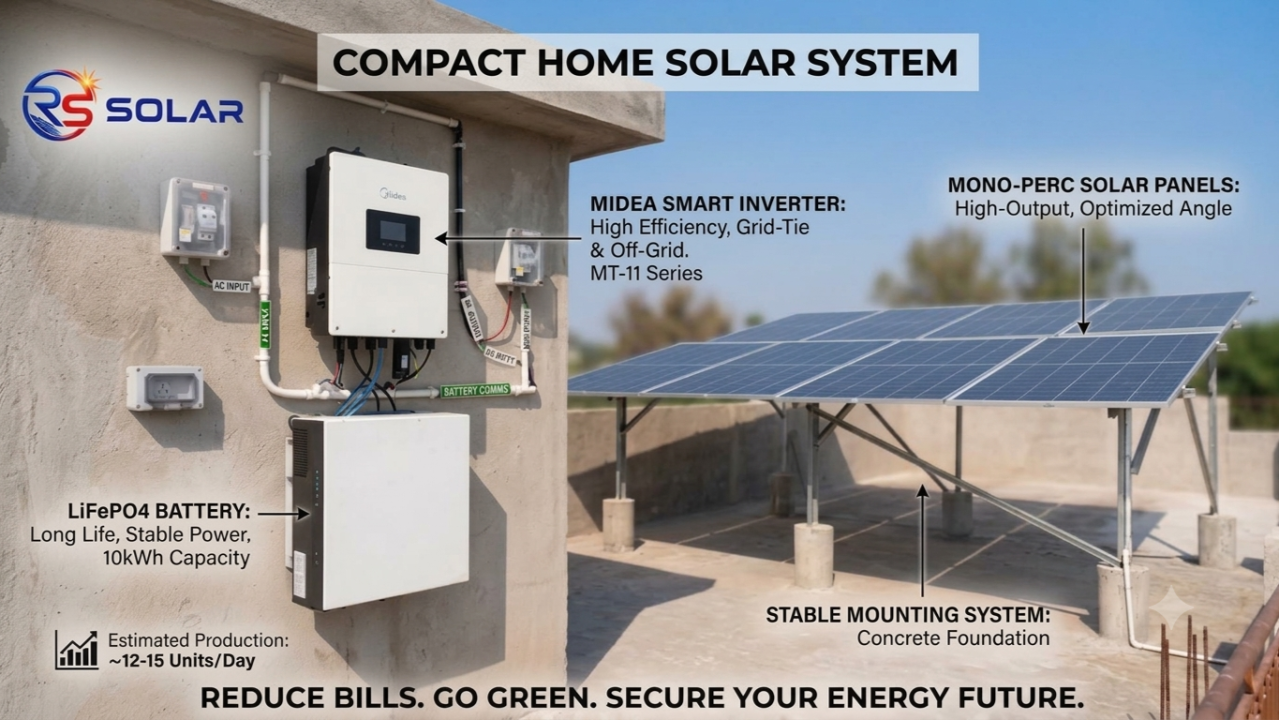
How RS Solar CAD Group Uses Essential Solar Equipment to Support Efficient Rooftop Solar Installations
The Foundation of Every Successful Solar Installation
Solar energy has become an increasingly important part of the transition toward renewable and sustainable electricity. Homeowners and businesses are exploring solar power to reduce their dependence on conventional electricity, improve energy management, and make better use of available rooftop space.
However, a solar power system is much more than a collection of solar panels installed on a roof. It is an integrated system in which every component performs a specific function. From capturing sunlight and converting electricity to storing energy and supporting the entire panel arrangement, each piece of equipment contributes to the overall functionality of the installation.
At RS Solar CAD Group, solar equipment is an important part of our solar installation activities. Our equipment range includes solar panels, Midea solar inverters, solar batteries, and solar mounting structures. These components support different stages of a solar installation and are selected according to the requirements of each project.
Understanding how these components work, how they interact, and why proper equipment selection matters can help property owners make more informed decisions about solar energy.
In this blog, we explore the four essential solar equipment categories used in our installation activities, their functions, their importance, and the factors that contribute to a well-planned solar power system.
1. Solar Panels: Converting Sunlight into Renewable Electricity
Solar panels are the primary electricity-generating components of a photovoltaic (PV) system. They capture sunlight and convert it into direct current (DC) electricity through the photovoltaic effect.
When sunlight reaches the solar cells, it generates an electrical current. Multiple solar cells are connected to form a module, and multiple modules can be arranged to create a solar panel array that meets the energy requirements of a property.
Solar panels are commonly installed on residential rooftops, commercial buildings, industrial facilities, and ground-mounted structures.
How Solar Panels Work in a Solar Installation
The process begins when sunlight reaches the solar panels. The photovoltaic cells generate DC electricity, which is then directed toward the inverter or other compatible components within the system.
The amount of electricity generated depends on several factors, including sunlight availability, panel capacity, shading, temperature, orientation, and installation conditions.
For this reason, solar panel selection and layout planning are important steps in developing an effective solar installation.
Key Benefits of Solar Panels
Renewable Electricity Generation: Solar panels use sunlight to generate electricity without requiring fuel combustion during operation.
Reduced Dependence on Grid Electricity: Solar-generated electricity can help reduce the amount of electricity a property needs to obtain from the utility grid, depending on system size and energy consumption.
Flexible Installation Options: Solar panels can be installed on suitable rooftops, ground-mounted structures, and other approved locations.
Scalable System Design: Solar arrays can be designed in different capacities according to available space, energy requirements, and equipment specifications.
What to Consider When Selecting Solar Panels
Choosing solar panels involves more than comparing their wattage. Several technical and site-specific factors should be evaluated before installation.
- Panel wattage and efficiency
- Available rooftop or ground space
- Roof orientation, tilt, and shading
- Electrical compatibility with the selected inverter
- Environmental conditions at the installation site
- Manufacturer specifications and warranty terms
A carefully planned solar panel layout helps utilize the available installation area while accounting for electrical and site-specific requirements. At RS Solar CAD Group, solar panels are an essential part of our installation projects. We consider the installation requirements and equipment configuration to support a properly planned solar energy system.
2. Midea Solar Inverter: The Core of Solar Power Conversion
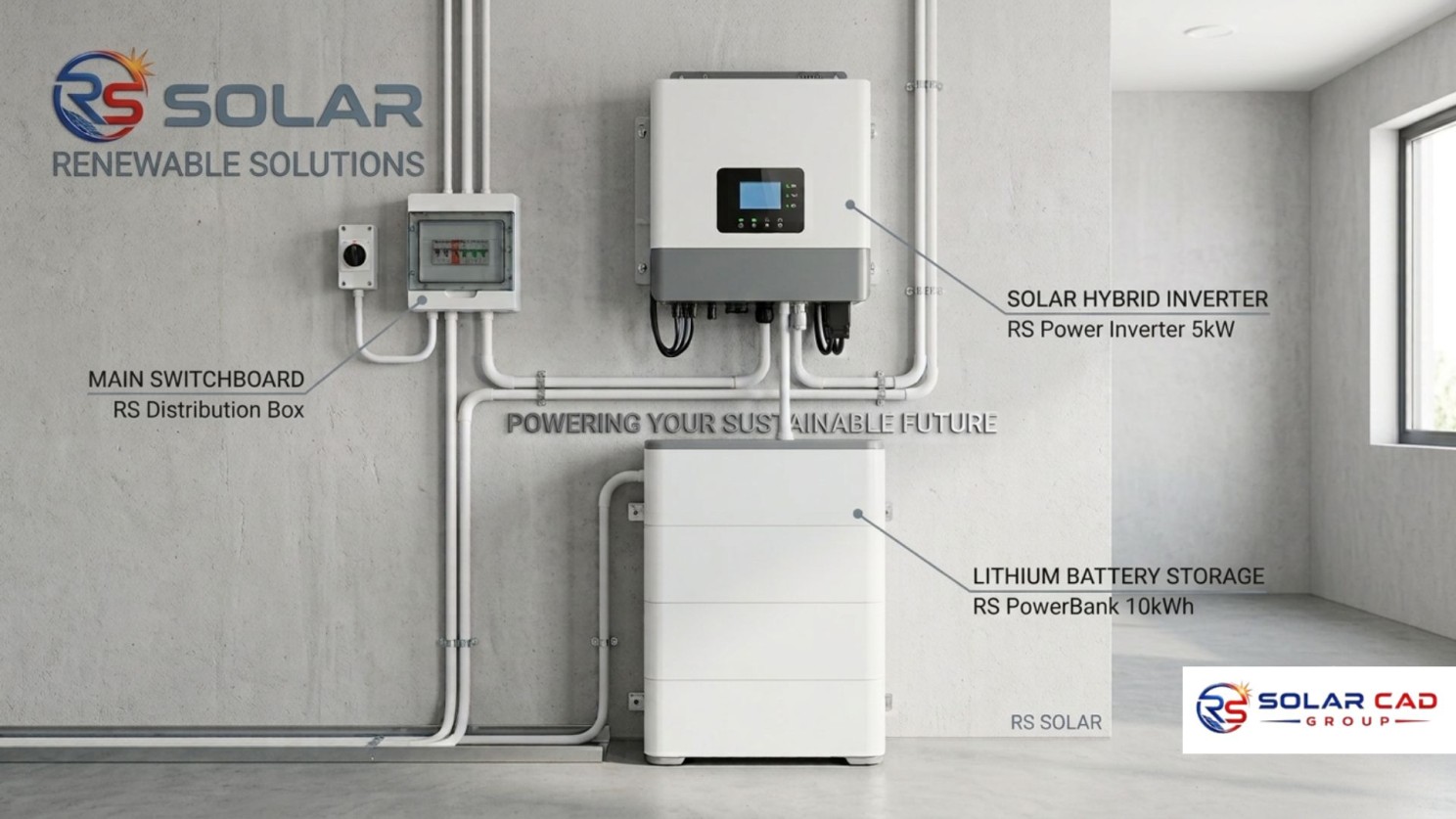
A solar inverter is one of the most important components of a solar power system because it converts the DC electricity generated by solar panels into alternating current (AC) electricity.
Most residential and commercial electrical appliances operate on AC electricity. Therefore, the inverter plays a central role in making solar-generated electricity usable within a compatible electrical system.
Midea solar inverters are among the equipment associated with our solar installation activities at RS Solar CAD Group.
Understanding the Role of a Midea Solar Inverter
A solar inverter does more than simply convert electricity. Depending on its type and specifications, it may also manage solar generation, monitor system performance, and coordinate with compatible battery storage.
Different inverter models are designed for different system configurations. Some are intended for grid-connected applications, while compatible hybrid models can support battery integration.
The exact capabilities depend on the specific inverter model and its manufacturer’s specifications.
How a Solar Inverter Works
During normal solar generation, the panels produce DC electricity. The inverter receives this electricity and converts it into AC electricity suitable for compatible loads or grid interaction.
In a hybrid solar installation, a compatible inverter may also coordinate energy flows between solar panels, batteries, household loads, and the grid.
The actual operation depends on the inverter type, system configuration, and applicable electrical requirements.
Key Advantages of Using a Suitable Solar Inverter
Efficient Power Conversion: A properly selected inverter converts solar-generated DC electricity into AC electricity within its specified operating range.
System Monitoring: Depending on the model, monitoring features can help users track solar generation, system status, and other performance information.
Flexible System Configurations: Different inverter types can support different installation requirements, including grid-connected and compatible hybrid systems.
Battery Integration: Certain inverter models can work with compatible battery systems, allowing energy storage to be incorporated into the installation.
Important Factors When Selecting a Midea Inverter
The correct inverter should be selected according to the overall solar system design.
Important considerations include:
- Inverter rated capacity
- Maximum DC input voltage and current
- Supported PV array configuration
- MPPT operating range
- Grid connection requirements
- Battery compatibility, if storage is required
- Environmental and installation conditions
Choosing an inverter without evaluating these factors can lead to compatibility issues or an unsuitable system configuration.
At RS Solar CAD Group, Midea solar inverters are used as part of our solar installation equipment. Our focus is on incorporating suitable inverter equipment into the overall solar system according to project requirements and manufacturer specifications.
A properly matched inverter is essential for safe, compatible, and functional solar power conversion.
3. Solar Batteries: Supporting Energy Storage and Backup Applications
Solar batteries are used to store electrical energy for later use. They are particularly important in solar installations designed to provide energy storage or backup power.
While solar panels generate electricity during periods of available sunlight, energy consumption does not always follow the same schedule. A battery can help bridge this gap by storing energy when available and supplying it later, provided the system is designed for that purpose.
How Solar Batteries Work with Solar Panels and Inverters
In a compatible solar-plus-storage system, electricity generated by solar panels can be used to supply electrical loads, charge the battery, or follow another configured energy management strategy.
When solar generation decreases, stored energy may be used to support compatible electrical loads.
The inverter and battery management system coordinate charging and discharging according to the system configuration, battery limits, and operating conditions.
Key Benefits of Solar Batteries
Energy Storage: Batteries allow solar-generated electricity to be stored for use at a later time.
Backup Power Potential: Compatible systems can supply designated loads during a grid outage, depending on inverter capabilities, battery capacity, and installation design.
Improved Solar Energy Utilization: Stored energy can help users utilize more of their solar-generated electricity rather than relying entirely on immediate consumption.
Energy Management Flexibility: Batteries can support different energy management strategies depending on the system design and applicable utility requirements.
Choosing the Right Solar Battery
Battery selection should be based on the property’s energy requirements and the intended use of the storage system.
Important factors include:
- Battery capacity and usable energy
- Battery chemistry and safety features
- Charging and discharging limits
- Inverter compatibility
- Backup load requirements
- Installation location and ventilation requirements
- Manufacturer warranty and operating conditions
For example, a household that wants to operate essential appliances during a power outage may need a different battery configuration from a property that primarily wants to store surplus solar electricity for later consumption.
At RS Solar CAD Group, solar batteries are part of our solar equipment range for installations requiring energy storage. Proper compatibility and system planning are important to ensure that the battery works appropriately with the selected inverter and solar array.
It is also important to understand that not every solar installation requires a battery. The need for energy storage depends on the property’s requirements, budget, and intended system operation.
4. Solar Mounting Structures: Providing Stability and Reliable Panel Support
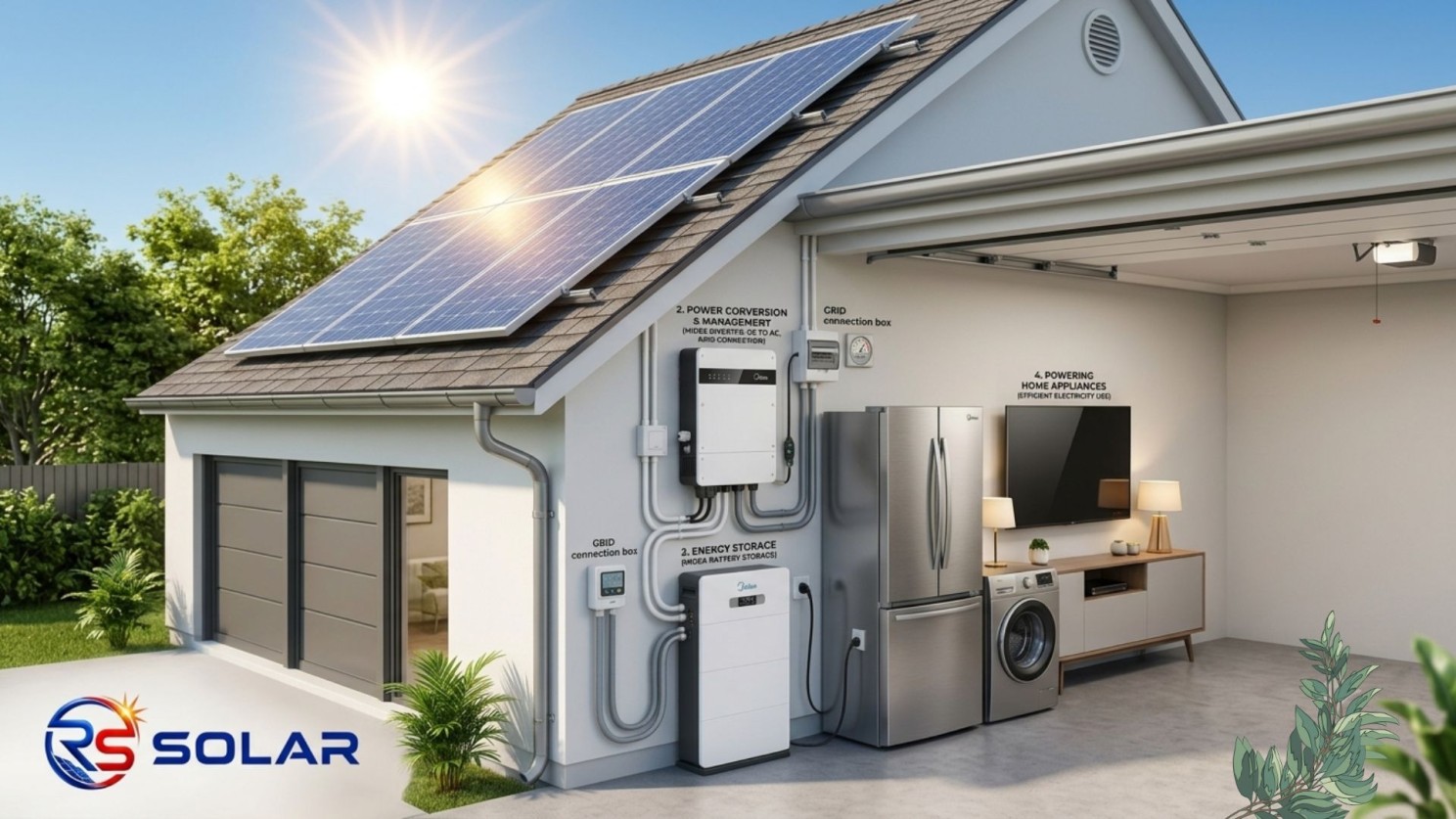
Solar mounting structures are the physical support systems used to secure solar panels in their designated positions.
Although mounting structures do not generate electricity, they are essential to the overall safety, stability, and durability of a solar installation.
A properly selected mounting system helps maintain panel positioning while accounting for roof conditions, environmental loads, and installation requirements.
Why Solar Mounting Structures Are Important
Solar panels are exposed to environmental conditions throughout their operating life. Wind, rain, temperature changes, and other site-specific factors can affect the installation.
Mounting structures are designed to secure the panels and transfer applicable loads through the mounting system to the supporting roof or foundation.
The suitability of the mounting arrangement is therefore an important part of solar installation planning.
Common Types of Solar Mounting Structures
Rooftop Mounting Structures: These systems are designed to secure solar panels to suitable rooftops. Their configuration depends on the roof type, material, and installation requirements.
Ground-Mounted Structures: These structures support solar panels installed at ground level and may be used where adequate land is available.
Tilted Mounting Structures: These arrangements position panels at a selected tilt angle according to the installation design and site conditions.
The appropriate structure depends on the project layout, panel configuration, structural requirements, and environmental conditions.
Key Factors in Mounting Structure Selection
- Roof type and structural capacity
- Panel dimensions and total array weight
- Wind and other applicable environmental loads
- Mounting material and corrosion resistance
- Anchoring method and roof compatibility
- Panel orientation, tilt, and spacing
- Applicable installation and structural requirements
For rooftop installations, particular attention should be given to roof condition, waterproofing, attachment methods, and load distribution.
At RS Solar CAD Group, mounting structures are an important part of our solar installation activities. Suitable structure selection and proper panel positioning help support a stable and well-organized installation.
5. How Solar Panels, Midea Inverters, Batteries, and Mounting Structures Work Together
A complete solar installation depends on the coordinated operation of multiple components. Each equipment category has a specific purpose, and the overall system must be designed to ensure that these components are compatible.
Solar panels generate electricity, the inverter converts and manages power, batteries store energy when included, and mounting structures provide physical support.
Together, these components form the foundation of a properly planned solar installation.
Understanding the Solar Energy Flow
In a typical solar installation:
- Solar panels capture sunlight and generate DC electricity.
- The inverter converts DC electricity into AC electricity for compatible electrical loads.
- If the system includes a compatible battery, surplus energy may be stored for later use.
- The mounting structure securely supports the solar panels in the planned arrangement.
The actual energy flow depends on the inverter type, battery configuration, utility connection, and system design.
Solar Equipment and Its Role
Equipment Primary Function Importance in Installation
Solar Panels Generate DC electricity Provide renewable solar power Midea Solar Inverter Convert and manage electrical power Supports usable electricity and system operation Solar Batteries Store electrical energy Support energy storage and compatible backup applications Solar Mounting StructuresSecure and support panels Contribute to installation stability and panel positioning
The compatibility of these components is critical. A solar panel array must operate within the inverter’s specified electrical limits, batteries must be compatible with the selected storage system, and mounting structures must be suitable for the site. A coordinated equipment selection process helps reduce the risk of mismatched components and supports a functional solar installation.
6. The Importance of Proper Solar Equipment Planning Before Installation
Selecting quality equipment is only one part of a successful solar installation. Proper planning is equally important to ensure that the selected components are suitable for the property and can operate together as intended. Before beginning installation, several technical and site-related factors should be evaluated.
Site Assessment and Energy Requirements
The first step is to understand the property’s electricity consumption and available installation area. For rooftop solar projects, the roof’s condition, orientation, shading, and usable space can influence the system capacity and panel arrangement.A site assessment helps determine whether the proposed equipment and installation layout are suitable for the property.
Equipment Compatibility and System Sizing
Solar panels, inverters, and batteries must be evaluated as part of the same system.
For example, the total panel capacity and electrical characteristics must remain within the inverter’s specified operating limits. If battery storage is included, the battery must also be compatible with the inverter and intended system configuration.
Correct system sizing helps ensure that equipment is selected according to the project’s actual requirements.
Electrical and Structural Safety
Electrical planning includes suitable wiring, overcurrent protection, grounding, disconnects, and other protective measures required by the applicable codes and system design.
Structural planning involves evaluating the mounting arrangement, roof suitability, anchoring, and applicable environmental loads.
These considerations are important for supporting a safe, organized, and reliable solar installation.
Long-Term Operation and Maintenance
Solar installations are intended to operate over an extended period. Therefore, equipment accessibility, maintenance requirements, monitoring capabilities, and manufacturer recommendations should be considered during the planning stage.
A well-planned installation makes it easier to inspect the system, identify potential issues, and maintain the equipment according to its specifications.
7. Maintaining Solar Equipment for Long-Term Performance
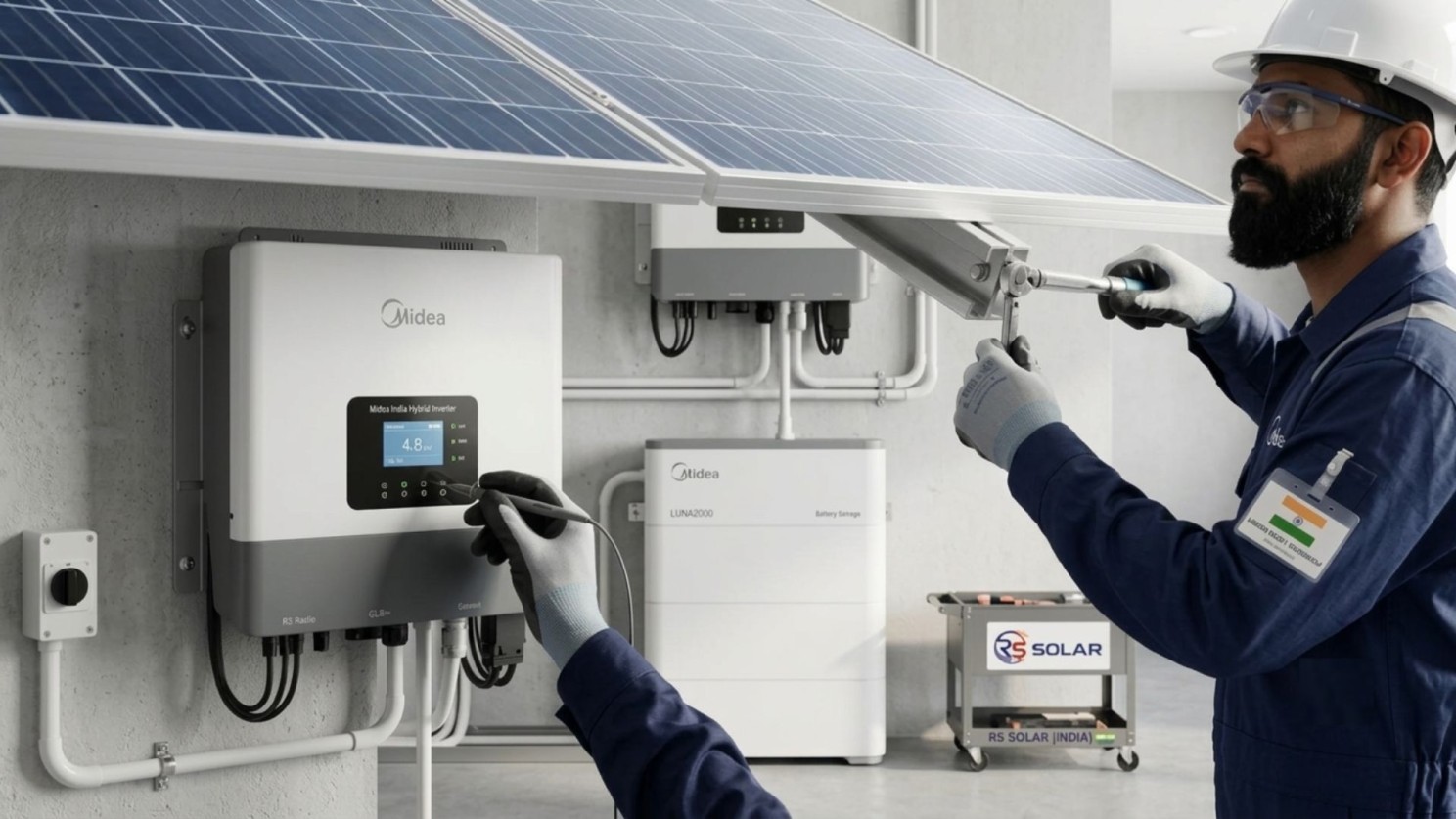
Regular inspection and appropriate maintenance help keep solar equipment in suitable operating condition.
Although solar systems generally require less routine maintenance than many conventional power-generation systems, they still need attention to ensure that the components remain functional and safe.
Solar Panel Maintenance
Solar panels should be inspected periodically for dirt accumulation, physical damage, shading changes, and other visible issues.
Cleaning should follow the manufacturer’s recommendations and appropriate safety practices. The frequency of cleaning depends on local environmental conditions.
Solar Inverter Maintenance
The inverter should be checked for warning indicators, fault messages, unusual operating conditions, and ventilation issues.
Any maintenance or troubleshooting should follow the manufacturer’s instructions. Electrical work should be performed by qualified personnel.
Solar Battery Maintenance
Battery systems should be monitored according to the manufacturer’s requirements.
Important considerations include operating temperature, battery status, charging and discharging conditions, and any system warnings.
Battery enclosures and electrical connections should only be inspected or serviced using appropriate safety procedures.
Mounting Structure Inspection
Mounting structures should be inspected for visible damage, corrosion, loose components, or other signs of deterioration. Any structural concern should be assessed by qualified personnel before the system continues operating under potentially unsafe conditions.
Following manufacturer guidelines and arranging periodic professional inspections can help support the safe operation and long-term maintenance of solar equipment.
8. RS Solar CAD Group: Solar Equipment for Residential and Commercial Installations
At RS Solar CAD Group, solar equipment is an important part of our commitment to supporting practical solar energy solutions. Our solar installation activities incorporate essential equipment such as solar panels, Midea solar inverters, solar batteries, and mounting structures.
Each component serves a specific purpose in the solar installation process, and its suitability depends on the requirements of the project.
Our Solar Equipment Range
Solar Panels: Used to generate renewable electricity from sunlight for suitable residential and commercial applications.
Midea Solar Inverters: Used for solar power conversion in compatible system configurations.
Solar Batteries: Used in installations requiring energy storage or compatible backup applications.
Solar Mounting Structures: Used to support and secure solar panels according to the installation layout and site requirements.
Our Approach to Solar Installations
We recognize that every solar project has different requirements. A residential rooftop installation may have different energy needs, available space, and equipment requirements from a commercial solar project.
For this reason, appropriate equipment selection, system compatibility, site conditions, and installation planning are important considerations in our solar installation activities.
Our focus is on incorporating suitable solar equipment into the installation process while considering the technical requirements of each project.
Whether the project involves a rooftop solar system or a solar installation with compatible energy storage, selecting the right combination of equipment is an important step toward a functional solar energy solution.
Conclusion: The Right Solar Equipment Builds the Foundation for Better Solar Installations
A well-planned solar installation depends on the coordination of multiple equipment components, each performing a specific role in the overall system.
Solar panels capture sunlight and generate electricity. Midea solar inverters convert and manage electrical power. Solar batteries provide energy storage where required, while mounting structures securely support the panels.
However, equipment selection alone is not enough. Compatibility, system sizing, site assessment, electrical safety, structural suitability, and proper installation planning are equally important for developing a functional solar energy system.
At RS Solar CAD Group, these essential solar equipment components are part of our solar installation activities. Our focus is on selecting and integrating suitable equipment according to project requirements to support residential and commercial solar installations.
As solar energy adoption continues to grow, understanding the role of solar equipment can help property owners make informed decisions about their energy needs.
The foundation of an effective solar installation begins with the right equipment, proper planning, and a well-coordinated system.
Frequently Asked Questions (FAQs)
1. What equipment is required for a typical solar installation?
A typical solar installation includes solar panels, an inverter, mounting structures, and electrical components such as wiring and protection devices. Batteries may also be included when energy storage is required.
2. What is the role of a Midea solar inverter in a solar system?
A Midea solar inverter converts DC electricity generated by solar panels into AC electricity. Depending on the model, it may also support battery integration and energy management.
3. Are solar batteries necessary for every rooftop solar installation?
No. Batteries are not required for every solar installation. Their inclusion depends on the property’s energy storage needs, backup requirements, and system configuration.
4. Why are solar mounting structures important?
Solar mounting structures secure solar panels in their designated positions and provide support under applicable environmental loads. Proper selection is essential for installation stability and safety.
5. Can solar panels, inverters, and batteries work together in one system?
Yes. Solar panels, compatible inverters, and batteries can work together in a solar-plus-storage system. Their electrical specifications and compatibility must be verified before installation.
6. Does RS Solar CAD Group use Midea inverters in its solar installation activities?
Yes. Midea solar inverters are among the equipment used in RS Solar CAD Group‘s solar installation activities. The specific model and configuration depend on project requirements.
7. How can solar equipment be maintained for long-term performance?
Solar equipment should be inspected and maintained according to manufacturer recommendations. Periodic checks of panels, inverters, batteries, and mounting structures can help identify potential issues and support safe system operation.
Looking for Solar Installation Solutions?
RS Solar CAD Group supports solar installation activities using essential solar equipment, including solar panels, Midea solar inverters, solar batteries, and mounting structures.
Contact us to learn more about our solar installation services and equipment solutions.
RS Solar CAD Group Website: www.rssolarcadgroup.com Email: sales@rscadgroup.com